The Impact of Habitat Degradation on Aquatic Life
The health of our planet's ecosystems is directly linked to the vitality of their aquatic species. Yet, human activities such as pollution, overfishing, and habitat disruption have led to a precipitous decline in fish populations in various regions. In a recent analysis, it has been noted that degradation in aquatic habitats, particularly upriver ecosystems, has been substantial, impacting adult fish survival rates and undermining biological performance standards set forth by environmental authorities.
Extent of Habitat Loss and Its Repercussions
The most severe losses of fish runs and habitats have been found in upper river ecosystems. These regions, once teeming with biodiversity, have seen a drastic decrease in species abundance. This change not only affects the aquatic food web but also the larger environmental balance, including the well-being of human communities that depend on these waterways for their livelihood.
Signs of Reversibility in Ecological Damage
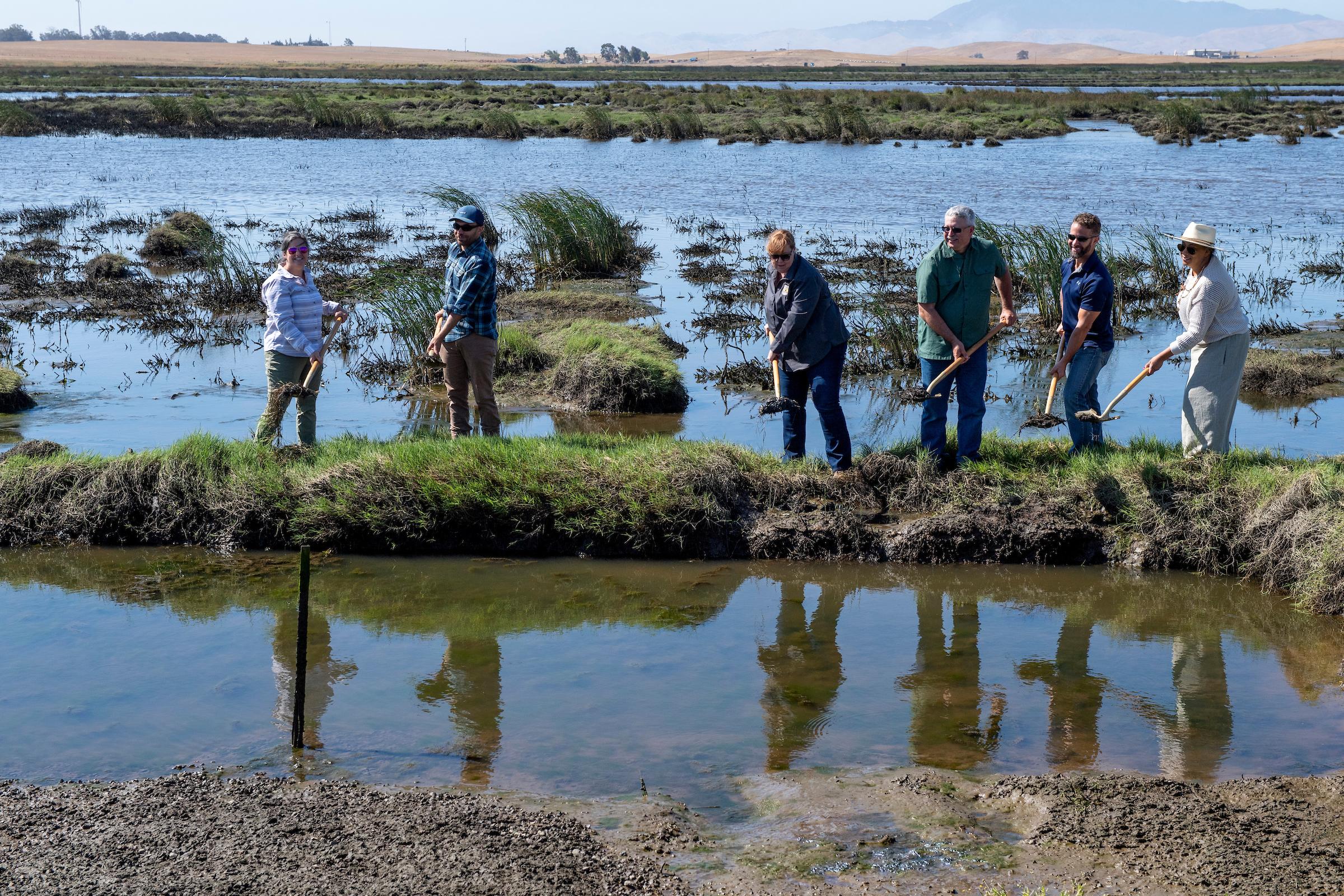
Despite the escalating challenges, recent findings provide a glimmer of hope: the effects of habitat degradation, while significant, are largely reversible. Active restoration efforts, policy changes, and community engagement can restore these precious ecosystems to their natural states, provided actions are taken swiftly and effectively.
Key Strategies for Habitat Restoration
To turn the tide on habitat degradation, a multifaceted approach is necessary. Strategies include the removal of barriers to fish migration, replanting native vegetation along waterways, reducing pollutant runoff into rivers, and implementing sustainable water management practices. Together, these efforts can significantly improve the survivability and resilience of fish populations in our rivers and streams.
Eco-conscious Travel: A Force for Good
The responsibility of preserving aquatic habitats extends beyond regulators and environmentalists—it is a shared duty. Eco-conscious travelers play an increasingly important role in driving demand for sustainability. By choosing low-impact ways to experience nature, supporting conservation initiatives, and staying at environmentally responsible accommodations, travelers can contribute to the ongoing recovery of these vital ecosystems.
Riverfront hotels or lodges that emphasize green practices often serve as excellent bases for exploring and understanding the complexities of aquatic habitats. Engaging with local conservation efforts can enrich the travel experience while nurturing a shared commitment to protecting these natural resources for generations to come.